
February 25, 2026
The Psychology of the Favorite and the Underdog
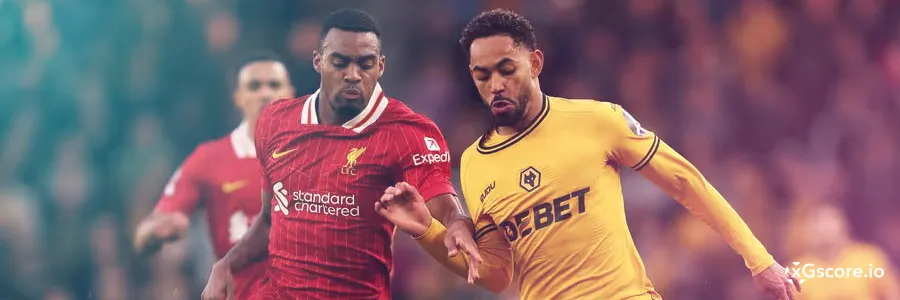
In sports and competitions, people often talk about the favorite and the underdog. The favorite is the team or player expected to win. The underdog is the one expected to lose. This idea is very common in sports culture and even in betting spaces like bet mz, where odds show who is more likely to win. But beyond numbers and predictions, there is something deeper at work. Human psychology plays a big role in how we see favorites and underdogs.
Many people naturally support the underdog. There is something emotional about cheering for someone who is not expected to win. It feels exciting and hopeful. When the underdog succeeds, it creates a powerful story. It shows that hard work and belief can overcome difficulty. These stories stay in our minds for a long time.
On the other hand, favorites also attract strong support. They are often skilled, experienced, and successful. People like to be connected to winners. Supporting the favorite can feel safe and confident. When the favorite wins, it confirms expectations and feels satisfying.
Psychological Factors Behind Our Choices
Psychology explains this through emotions and identity. Some fans see themselves in the underdog. They may feel that they also face challenges in life. Supporting the underdog becomes personal. It represents hope and resilience. Others prefer stability and strength, so they feel comfortable backing the favorite.
Risk is another important factor. Choosing the underdog often feels like taking a risk. The chances of winning may be lower, but the reward feels bigger. This can create excitement. The brain reacts strongly to uncertainty. When something is not guaranteed, it becomes more thrilling.
Favorites, however, give a sense of control. When people choose the favorite, they believe they are making the logical choice. Statistics and past performance usually support the favorite. This makes the decision feel smart and rational. Even if the reward is smaller, the sense of safety can be appealing.
Performance Under Pressure
Confidence also changes how teams perform. Favorites may feel pressure because everyone expects them to win. This pressure can sometimes cause stress. If they make mistakes, criticism can be strong. The weight of expectation can affect performance.
Underdogs often feel less pressure. Since people do not expect them to win, they may play more freely. This freedom can lead to surprising results. Without heavy expectations, they can focus only on effort and teamwork. Sometimes this relaxed mindset gives them an advantage.
External Influences: Media, Social Factors, and Personality
Media coverage also shapes our thinking. News stories often highlight the strength of favorites and the struggles of underdogs. When an underdog wins, the story becomes dramatic and inspiring. The media loves unexpected victories. These stories influence how fans think and feel.
Social influence is another factor. People are affected by friends, family, and online communities. If many people support a favorite, others may follow. This is called herd behavior. It feels comfortable to agree with the majority. At the same time, some people enjoy standing out by supporting the underdog.
Past experiences also matter. If someone has seen a favorite lose before, they may feel less confident next time. If they have watched an underdog win in the past, they may believe it can happen again. Memory shapes belief.
Personality plays a role too. Some individuals are more adventurous and enjoy risk. They may prefer the underdog because it feels bold and exciting. Others are more cautious and prefer predictable outcomes. They may support the favorite because it feels stable.
The idea of fairness also affects emotions. Many people want competitions to feel fair and balanced. If one side seems too powerful, sympathy often goes to the weaker side. Supporting the underdog can feel like supporting fairness.
In team sports, loyalty is another powerful emotion. Fans often support their local team even if it is considered the underdog. Loyalty can be stronger than logic. Emotional connection often matters more than statistics.
Betting, Brain Chemistry, and Final Thoughts
In betting psychology, people sometimes overestimate favorites because they trust strong records. At the same time, others may overvalue underdogs because of the high potential reward. Emotions can influence decisions more than careful analysis.
The brain responds strongly to surprise. When an underdog wins, dopamine levels increase because the result was unexpected. Surprise victories create stronger emotional reactions than predictable wins. This is why underdog stories are so memorable.
At the same time, repeated success by favorites can build admiration. Dynasties and long winning streaks create respect. People admire excellence and consistency. Watching a favorite dominate can also be exciting in a different way.
In the end, the psychology of the favorite and the underdog shows how emotions, identity, and risk shape our choices. Sports are not only about skill and numbers. They are also about feelings and human behavior.
Whether someone chooses the favorite for safety or the underdog for hope, the decision often reflects personal values and mindset. Both sides create excitement in different ways. This balance between expectation and surprise is what makes competition so powerful and engaging for fans around the world.

- Premium xGscore predictions
- Profitability ROI 5% and higher
- 12 Premium tips This Week